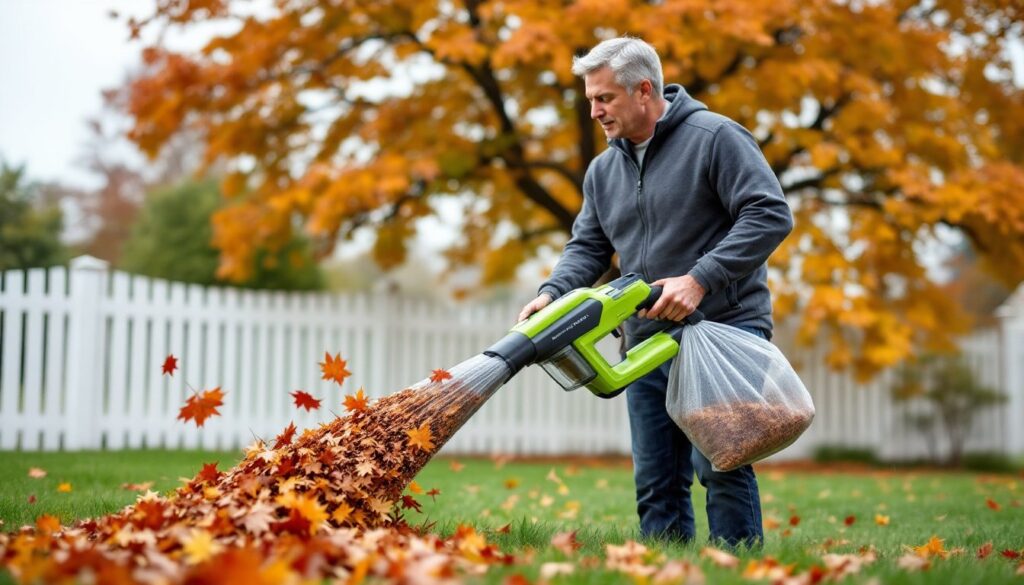
Fall cleanup doesn’t have to mean endless raking and multiple trips to the compost pile. A cordless leaf vacuum with bag combines the freedom of battery power with the convenience of onboard collection, making yard work faster and less labor-intensive. These machines mulch leaves as they collect them, reducing volume and giving you a tidy lawn without extension cords or gas-powered hassle. Whether you’re clearing a suburban yard or tidying up garden beds, the right cordless model can turn a half-day job into an hour’s work, if you know what to look for and how to use it properly.
Table of Contents
ToggleKey Takeaways
- A cordless leaf vacuum with bag uses rechargeable batteries (36V–80V) to mulch leaves at a 10:1 to 16:1 ratio, reducing debris volume and cutting yard cleanup time significantly.
- Look for models with 400+ CFM airflow, brushless motors, variable speed control, and battery capacity of 6.0+ Ah to maximize runtime and performance across different leaf conditions.
- Cordless models are quieter (65–75 dB) than gas-powered vacuums, require zero emissions maintenance, and work in tight spaces where rakes fail, making them ideal for suburban yards and precision cleanup.
- Match operating speed to leaf conditions, empty bags at three-quarters full, remove hard objects before use, and store batteries at 50–60% charge in cool conditions to extend equipment lifespan.
- Invest in a second battery or high-capacity backup to avoid mid-job recharges, and plan work in sections if your property exceeds 0.25 acres to prevent battery depletion.
What Is a Cordless Leaf Vacuum With Bag and Why Choose One?
A cordless leaf vacuum with bag is a battery-powered outdoor tool that sucks up leaves, twigs, and light debris, mulches them down to a fraction of their original size, and deposits the material into an attached collection bag. Unlike corded electric models or backpack blowers, cordless units run on rechargeable lithium-ion batteries, typically 36V to 80V, and don’t require proximity to an outlet or mixing two-stroke fuel.
Most models function as three-in-one tools: blower, vacuum, and mulcher. The mulching ratio (usually between 10:1 and 16:1) means a bag that holds 1.2 cubic feet of mulched material would otherwise require hauling 12 to 19 cubic feet of loose leaves. That’s fewer trips to the compost bin and less bulk in your yard waste bags.
Homeowners choose cordless models for portability and noise reduction. Without a cord, you can move freely around trees, shrubs, and landscape beds. Battery-powered units also run quieter than gas models, around 65 to 75 decibels compared to 90+ for gas, making early-morning or late-afternoon work less disruptive to neighbors. The tradeoff is runtime: most cordless vacuums deliver 20 to 40 minutes of continuous use per charge, depending on battery capacity and workload.
Key Features to Look for in a Cordless Leaf Vacuum
Not all cordless leaf vacuums deliver equal performance. Focus on these core specs before you buy.
Motor power and airflow: Look for models rated at 400 CFM (cubic feet per minute) or higher for effective leaf pickup. Airspeed, measured in MPH, matters less for vacuuming than CFM, suction volume moves leaves into the tube, not just wind speed. Units with brushless motors tend to run cooler, last longer, and deliver more consistent power across the battery’s discharge cycle.
Weight and ergonomics: Cordless vacuums range from 7 to 12 pounds without the battery. Add another 2 to 4 pounds for a high-capacity battery. If you’re working a larger yard, shoulder straps or padded handles reduce fatigue. Test the balance with the bag attached, some models become front-heavy when the collection bag fills.
Variable speed control: A single-speed vacuum runs your battery down faster and can scatter lightweight material. Variable speed lets you dial down power for pine needles or flower beds and ramp up for wet, matted leaves.
Collection tube diameter: Wider tubes (2.5 to 3 inches) reduce clogging but require more suction to maintain airflow. Narrower tubes concentrate airflow but jam more easily with twigs.
Battery Life and Runtime Considerations
Battery capacity is measured in amp-hours (Ah), the higher the number, the longer the runtime. A 4.0 Ah battery on a 40V platform typically delivers 20 to 25 minutes of vacuum use, while a 6.0 Ah or higher can push past 40 minutes. Runtime drops when you’re working with damp or heavy leaf loads because the motor works harder.
Most manufacturers sell batteries separately, so check compatibility across your existing tool platform if you already own cordless equipment. Investing in a second battery lets you swap mid-job without waiting for a recharge, which can take 60 to 120 minutes depending on charger type (standard vs. rapid).
Cold weather affects lithium-ion performance. Expect 20 to 30% shorter runtime in temperatures below 40°F. Store batteries indoors between uses and avoid leaving them on the charger for weeks at a time, partial discharge (around 40 to 60%) extends overall battery lifespan.
Bag Capacity and Collection System
Collection bags range from 1.0 to 2.0 cubic feet. Smaller bags mean more frequent emptying, but they’re lighter and easier to detach when full. Bags with zipper bottoms let you dump contents without removing the entire bag from the unit, faster and less awkward than wrestling a cinch-top bag off the blower tube.
Mesh bags allow airflow to pass through while trapping mulched leaves, which improves suction efficiency. Canvas or nylon bags are more durable but can reduce airflow if the weave is too tight. Some premium models include a shoulder strap attached to the bag itself, transferring weight off your arms.
Check how the bag attaches: hook-and-loop straps are fast but wear out: clip systems are more secure and last longer. A clear window or capacity indicator on the bag saves you from overfilling, which clogs the impeller and kills performance.
Top Benefits of Using a Cordless Leaf Vacuum for Your Yard
Cordless leaf vacuums with bags solve several problems that rakes and blowers can’t.
Volume reduction: Mulching shreds leaves into confetti-sized pieces, so a single bag haul replaces ten trips with a tarp or wheelbarrow. That mulched material makes excellent compost or mulch for flower beds, just spread it thin to avoid matting.
Precision cleanup: Vacuums work well in tight spaces where a rake struggles, along fence lines, around ornamental grasses, or between pavers. The suction pulls debris out of ground cover and low shrubs without disturbing plants.
No extension cord management: Corded electric vacuums offer unlimited runtime but tether you to an outlet and create tripping hazards. Cordless models eliminate that frustration and work anywhere on your property.
Lower emissions and maintenance: Unlike gas-powered vacuums, cordless units produce zero exhaust and don’t require oil changes, spark plug replacements, or carburetor cleaning. You’ll spend less time on upkeep and more time actually working.
Quieter operation: Testing from leading home improvement experts confirms cordless vacuums run significantly quieter than gas models, making them neighborhood-friendly and reducing hearing protection requirements. You can hold a conversation while running one.
Seasonal versatility: Many cordless models reverse into blowers with a switch or tube swap, so you’re covered for spring pollen cleanup, summer grass clippings, or clearing snow off decks.
How to Use and Maintain Your Cordless Leaf Vacuum
Using a cordless leaf vacuum efficiently starts before you even pull the trigger.
Pre-work prep: Charge your battery fully the night before. Walk the yard and remove sticks, rocks, or other hard objects, vacuums aren’t designed to handle anything thicker than a pencil. Wet leaves reduce runtime and clog more easily, so wait until mid-morning after dew dries if possible.
Operating technique:
- Attach the collection bag and confirm it’s secure, loose bags let debris escape and reduce suction.
- Start on low speed for light material: increase power as needed.
- Hold the intake tube at a 45-degree angle to the ground, moving slowly across the work area. Rushing reduces pickup efficiency.
- Overlap passes slightly to catch stray leaves.
- Stop and empty the bag when it’s three-quarters full. Overfilling clogs the impeller and can burn out the motor.
Wear proper PPE: Safety glasses protect against flying debris, and a dust mask or respirator helps if you’re sensitive to mold spores or leaf dust. Gloves improve grip and protect your hands from sharp twigs.
Post-use maintenance:
- Remove the battery before cleaning or maintenance, every time.
- Empty the bag completely and shake out residual dust. Let it air-dry if damp.
- Inspect the impeller (the fan blade inside the vacuum housing) for clogs or damage. Use a stick or brush to clear debris, never your fingers, even with the battery removed.
- Wipe down the intake tube and exterior housing with a damp cloth. Avoid pressure washers, which can force water into the motor.
- Check the bag attachment points and zippers for wear. Replace worn bags before they tear mid-job.
- Store the unit and battery indoors, away from temperature extremes and moisture.
Seasonal deep clean: Once per year, disassemble the vacuum housing (consult your manual for fastener locations) and inspect internal components. Compressed air blows out accumulated dust. Lubricate moving parts with a light machine oil if specified in the manual. Homeowners who maintain seasonal tool routines typically extend equipment lifespan by several years.
Common Mistakes to Avoid When Operating a Cordless Leaf Vacuum
Even experienced DIYers make errors that reduce performance or damage equipment.
Running the vacuum over gravel or mulch: Small stones and wood chips jam the impeller or crack the housing. Pre-clear hardscape areas with a blower or broom.
Ignoring airflow blockages: If suction drops suddenly, stop and check for clogs. Forcing the motor to pull against a blockage drains the battery fast and can overheat the unit. Clear the intake tube, impeller chamber, and bag opening.
Using the wrong speed setting: High speed on dry, fluffy leaves is fine. But maxing out the throttle on wet, matted leaves wastes battery and reduces mulching efficiency. Match speed to conditions.
Vacuuming damp or soaked leaves: Water adds weight, reduces mulching, and promotes rust inside the impeller housing. If you must work with damp leaves, empty the bag more frequently and dry the unit thoroughly afterward.
Skipping the user manual: Each model has specific assembly steps, battery compatibility, and maintenance schedules. Assumptions based on other tools can lead to improper use. Spend ten minutes reading the manual, it’ll save you frustration and potential warranty issues.
Storing batteries on the charger long-term: Leaving a fully charged battery plugged in for months degrades cell chemistry. Charge to 50 to 60% for off-season storage and keep it in a cool, dry place.
Neglecting bag replacement: A torn or stretched bag lets debris escape, reducing suction and scattering material back onto your lawn. Replacement bags typically cost $15 to $30 and last several seasons if cared for properly.
Operating without hearing protection: While quieter than gas models, cordless vacuums still produce noise levels that can damage hearing over extended use. Foam earplugs or earmuffs are cheap insurance.
Overestimating runtime: If you have a large property, plan your work in sections. Running the battery completely dead mid-job means waiting for a recharge. Keep a backup charged if you’re tackling more than 0.25 acres.
By choosing the right cordless leaf vacuum, using it correctly, and maintaining it through the seasons, homeowners can turn leaf cleanup from a dreaded chore into a quick, efficient task. Focus on battery capacity, bag design, and realistic runtime expectations, then let the machine do the heavy lifting.