Searching “deck railing near me” usually means one of two things: the railing is finally rotting out, or a new deck needs finishing before summer cookouts start. Either way, homeowners face a maze of materials, local suppliers, building codes, and installation decisions that can make or break both the budget and the timeline. This guide walks through the full process, understanding material options, vetting local suppliers and installers, estimating realistic costs, and deciding whether to DIY or hire a pro. By the end, readers will know exactly what questions to ask, which red flags to avoid, and how to get railings that meet code and last years.
Table of Contents
ToggleKey Takeaways
- Deck railing near me searches require understanding four main materials—wood ($15–$25/linear foot), metal ($30–$80/linear foot), vinyl ($20–$35/linear foot), and composite ($35–$60/linear foot)—each with different maintenance, durability, and cost trade-offs.
- Always verify local contractors’ licenses, insurance ($1M minimum liability), and bonding before hiring, and avoid red flags like no physical address, full upfront payment demands, or reluctance to pull permits.
- A standard 200-square-foot deck with 40 linear feet of railing costs between $920–$1,800 for pressure-treated wood or $2,000–$4,800 for composite and cable systems, including professional installation and labor.
- DIY installation works well for wood and vinyl railings if you have basic carpentry skills, but metal and cable systems require precision and specialized tools—hire a pro if your deck has structural concerns or complex code requirements.
- Get at least three detailed quotes itemizing materials by brand, labor hours, permit fees ($100–$300), and disposal costs, and lock in pricing with a signed contract before work begins to avoid surprises.
Understanding Your Deck Railing Options and Materials
Deck railings do more than keep people from tumbling off the edge. They’re structural safety components governed by building codes, typically requiring 36 inches minimum height for residential decks, with balusters spaced no more than 4 inches apart (IRC standard, though local amendments vary). The material chosen affects maintenance, lifespan, cost, and whether the railing can handle lateral loads during a party or storm.
Before visiting suppliers, homeowners should measure linear footage needed, note post spacing (usually 6 feet on center for most systems), and check whether the deck frame has blocking or solid attachment points for railing posts. Deck ledger attachment and rim joist condition matter, if the deck structure is compromised, new railings won’t solve the underlying problem.
Wood, Metal, Vinyl, and Composite: Pros and Cons
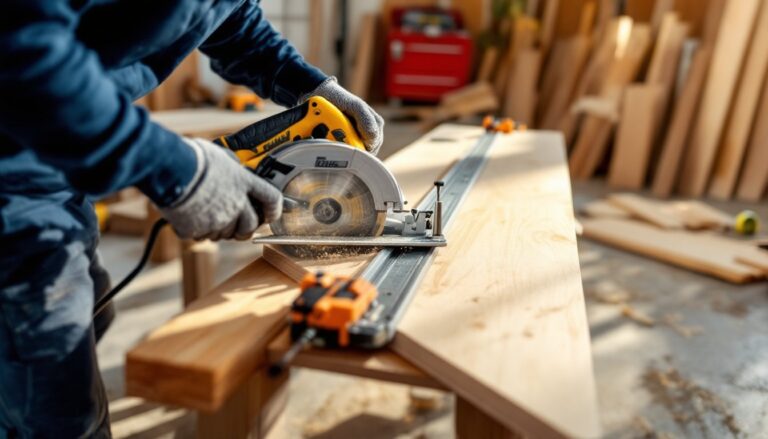
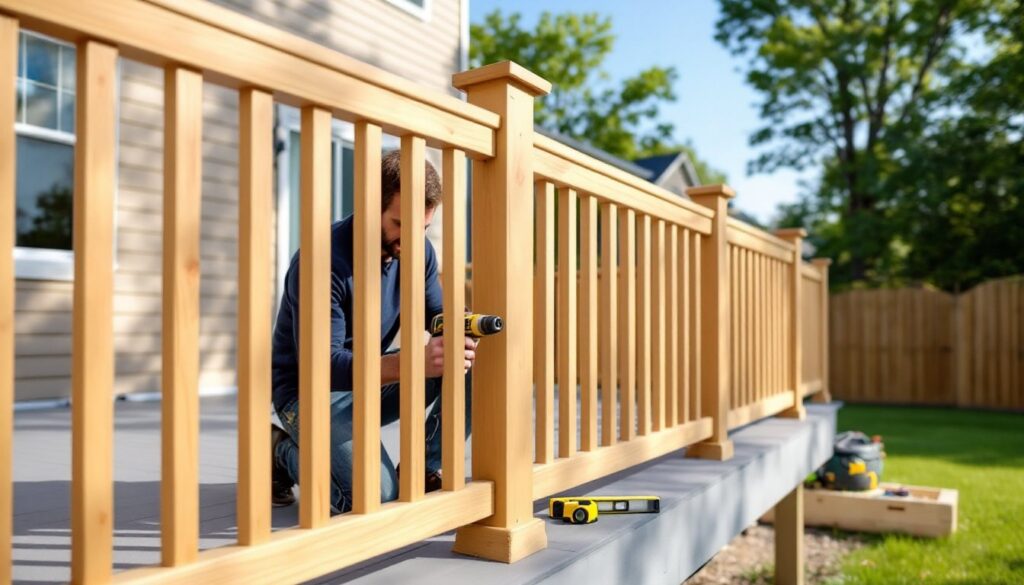
Wood railings remain popular for their traditional look and relatively low upfront cost. Pressure-treated pine runs about $15–$25 per linear foot installed (material only is $8–$12), while cedar or redwood doubles that. Wood requires annual staining or sealing, and balusters can warp or split over time. It’s the easiest material for DIYers to cut and fit with standard carpentry tools, a miter saw and drill handle most installations.
Metal railings, aluminum or steel, offer clean sightlines and minimal maintenance. Aluminum systems (powder-coated) cost $30–$50 per linear foot installed and resist rust in coastal or humid climates. Steel cable railing kits run $50–$80 per linear foot and require tensioning tools and careful layout to meet code spacing. Metal systems often use surface-mount posts, which simplify installation but require solid blocking underneath.
Vinyl railings mimic wood profiles without the rot. Expect $20–$35 per linear foot installed. Quality varies widely, cheap vinyl yellows and cracks under UV exposure within five years. Look for products with UV inhibitors and thicker wall sections (0.125-inch minimum). Vinyl expands and contracts significantly with temperature, so proper fastener spacing and expansion gaps are critical.
Composite railings blend wood fibers and plastic for durability. Brands like Trex or TimberTech cost $35–$60 per linear foot installed. They resist fading and splintering, require only soap-and-water cleaning, and often come with 25-year warranties. Composite systems usually include proprietary brackets and post sleeves, which streamline installation but lock you into one manufacturer for future repairs or expansions.
Each material has load-bearing requirements. Building inspectors check that top rails can withstand a 200-pound concentrated load and a 50-pound-per-linear-foot distributed load applied horizontally (per IRC R301.5). DIYers should verify that chosen systems meet these specs, most reputable manufacturers publish load test results.
How to Find Quality Deck Railing Suppliers and Installers Locally
Start with local lumberyards and building supply stores rather than big-box retailers. Yards that cater to contractors stock a wider range of materials, can order specialty components, and employ staff who understand local code requirements. They also know which installers are reputable and which cut corners.
For professional installation, check contractors’ licenses, insurance, and bonding before requesting quotes. Most states require general contractors or specialty deck builders to carry liability insurance (minimum $1 million is standard) and workers’ comp if they have employees. Ask for proof of both, never take a verbal assurance.
Online platforms help narrow the search. Homeowners can compare local deck pros to review ratings and past project photos, which reveal workmanship quality and whether the contractor handles railing styles similar to what’s needed. Cross-reference at least three sources: online reviews, Better Business Bureau ratings, and references from recent jobs (call them, don’t just accept a written list).
Online Search Tips and Red Flags to Avoid
When searching “deck railing near me,” filter results by business type, manufacturers, suppliers, and installers all appear, but they serve different roles. A manufacturer’s rep can point to local dealers: a supplier can recommend installers who frequently buy from them: an installer may offer package pricing that includes materials.
Red flags include:
- No physical address or local phone number. Fly-by-night contractors vanish after payment.
- Pressure to pay in full upfront. Standard practice is a deposit (typically 10–30%), progress payments tied to milestones, and final payment upon inspection.
- Reluctance to pull permits. Deck railing work often requires permits, especially if posts attach to the home’s rim joist or if electrical (post lights) is involved. Contractors who skip permits leave homeowners liable for code violations and future resale issues.
- Generic online quotes without site visits. Accurate estimates require measuring the deck, checking post attachment points, and assessing access (second-story decks or tight yards increase labor costs).
- Suspiciously low bids. If one quote is 40% below others, the contractor is either underestimating the scope, planning to upsell mid-project, or using substandard materials.
Ask potential installers how they handle code compliance and inspection scheduling. A pro should know local amendments to the IRC, whether the jurisdiction requires engineer-stamped plans for tall decks, and typical inspection timelines. Many experienced DIY and renovation experts recommend getting at least three detailed quotes that itemize materials, labor, permit fees, and timeline before committing.
Estimating Costs and Getting Accurate Quotes
Deck railing costs vary by material, linear footage, configuration complexity, and regional labor rates. As a baseline, material-only costs range from $8–$15 per linear foot (pressure-treated wood) to $40–$70 per linear foot (premium composite or cable systems). Professional installation adds $15–$40 per linear foot depending on region, urban areas with higher labor costs push the top end.
For a typical 200-square-foot deck with 40 linear feet of railing (three sides, fourth against the house), here’s rough math:
- Wood (pressure-treated): $320–$600 materials + $600–$1,200 labor = $920–$1,800 total
- Composite: $1,400–$2,400 materials + $600–$1,200 labor = $2,000–$3,600 total
- Aluminum or cable: $1,200–$3,200 materials + $800–$1,600 labor = $2,000–$4,800 total
These estimates assume standard 36-inch railing height, no stairs (stair railings add 30–50% due to angle cuts and code-required handrails), and accessible installation. Second-story decks, challenging post attachments, or required structural reinforcement can double labor time.
When requesting quotes, provide:
- Linear footage and total perimeter
- Deck height above grade (affects post length and bracing)
- Stair runs (number of steps and width)
- Preferred material or request comparisons
- Existing condition (replacement vs. new construction)
Detailed quotes should itemize materials by type and quantity (posts, rails, balusters, brackets, fasteners), labor hours or day rate, permit and inspection fees ($100–$300 in most jurisdictions), and disposal costs if tearing out old railings. Beware quotes that lump everything into a single number, without transparency, change orders become expensive surprises.
To verify pricing, use resources like HomeAdvisor to compare cost ranges for deck projects in your region. Material prices fluctuate with lumber markets and shipping costs, so quotes are typically valid for 30–60 days. Lock in pricing with a signed contract that specifies materials by brand and model number, not just generic descriptions like “composite railing.”
DIY vs. Professional Installation: What’s Right for Your Project?
DIY installation is realistic for homeowners comfortable with basic carpentry: cutting posts to length, drilling pilot holes, driving lag screws or through-bolts, and using a level. Wood and vinyl systems are the most DIY-friendly, they use standard fasteners, require no specialized tools beyond a miter saw, drill, impact driver, post level, and tape measure, and allow for minor adjustments during assembly.
Metal systems, especially cable railing, demand precision. Cable spacing must meet code (4-inch max), tensioning requires torque specs and specialized fittings, and mistakes are harder to hide. Surface-mount posts simplify attachment but still require backing blocks and proper flashing to prevent water intrusion. DIYers who’ve never worked with metal or cable should expect a learning curve and potential do-overs.
When to hire a pro:
- Structural concerns: If the deck’s rim joist, ledger board, or post footings are questionable, a contractor should assess and reinforce before railing installation.
- Code complexity: Multi-level decks, commercial-grade requirements, or jurisdictions with strict inspections benefit from a pro who knows local amendments and has a rapport with inspectors.
- Time constraints: A skilled installer completes a standard railing in 1–2 days. DIYers should budget a full weekend, plus extra time for permit waits and inspection scheduling.
- Liability: If someone is injured due to a railing failure, homeowner’s insurance may not cover DIY work that doesn’t meet code. Professional installation provides a paper trail and often includes warranties on workmanship.
Safety notes for DIYers:
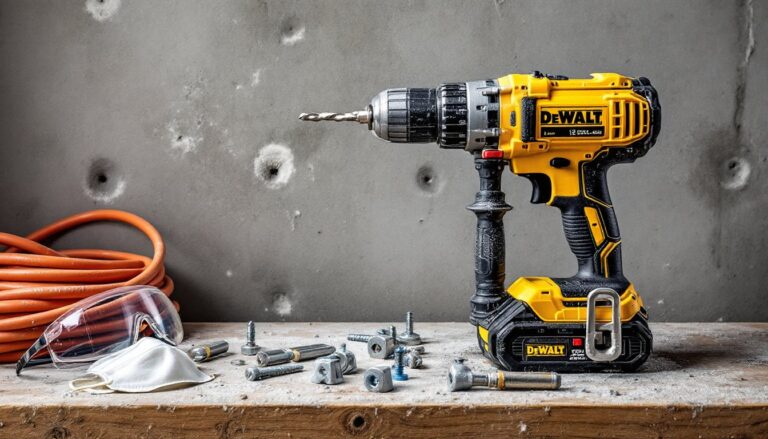
- Always wear safety glasses and work gloves. Pressure-treated lumber contains chemicals that irritate skin.
- Use a dust mask when cutting composite materials, the plastic dust is fine and lung irritation can be severe.
- Check that post-to-deck connections use through-bolts or structural screws rated for the load. Nails and short deck screws are insufficient for railing posts.
- If the deck is over 30 inches high, work with a helper and set temporary barriers to prevent falls during installation.
Permits apply to DIY work just as they do to contractor jobs. Skipping the permit doesn’t save time, it risks a stop-work order, fines, and forced tear-out if a neighbor or future buyer reports it. Most jurisdictions allow homeowners to pull their own permits: the process involves submitting a site plan and railing detail drawings, paying the fee, and scheduling rough and final inspections.
DIY material costs typically run 30–50% below full professional installation, but that savings disappears if mistakes require material reorders or if the homeowner’s time is better spent elsewhere. For straightforward wood or vinyl railings on a single-level deck, DIY makes sense. For complex metal systems, multi-level layouts, or older decks needing structural work, hiring a licensed contractor is the smarter move.
Conclusion
Finding the right deck railing locally isn’t just about proximity, it’s about matching material performance to climate and use, vetting suppliers and installers for quality and code knowledge, and making realistic cost and labor decisions. Homeowners who measure carefully, ask detailed questions, and verify credentials end up with railings that pass inspection, stand up to weather, and look good for years. Whether going DIY or hiring out, starting with a clear plan and honest assessment of skills keeps the project on budget and on code.