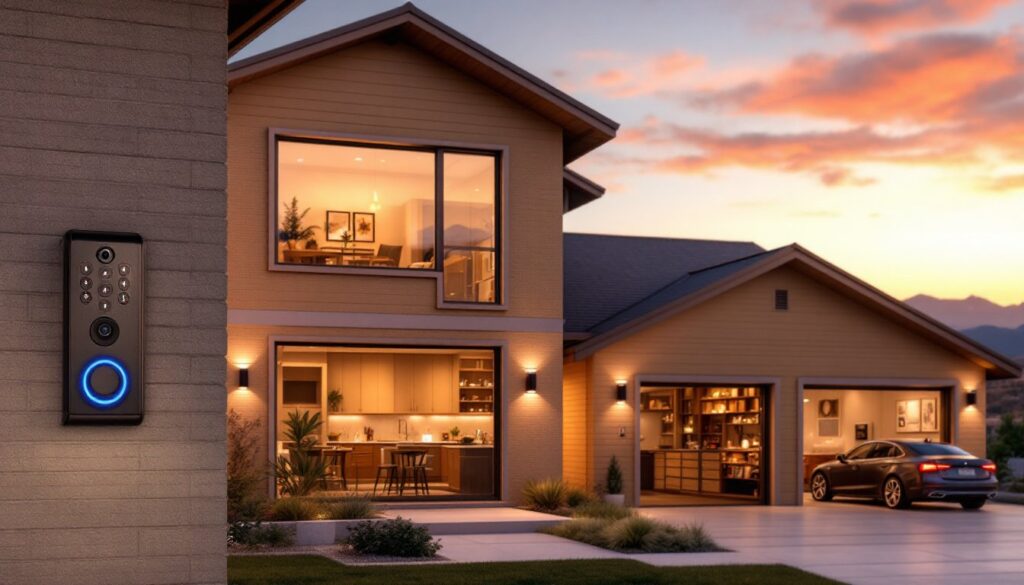
Utah homeowners are rewiring their lives, literally. From Salt Lake City to St. George, smart home technology is showing up in new builds and century-old bungalows alike. The appeal isn’t just gadget appeal: it’s about energy savings during brutal summer heat spikes, enhanced security in growing neighborhoods, and the kind of convenience that makes everyday routines smoother. Utah’s unique climate, tech-savvy population, and booming housing market make it a natural fit for home automation. This guide walks through what works here, what costs what, and whether you should tackle installation yourself or hire out.
Table of Contents
ToggleKey Takeaways
- Home automation in Utah is driven by climate control needs, security concerns, and the tech-savvy culture of the Silicon Slopes region, making it ideal for smart home adoption.
- Smart thermostats can reduce annual heating and cooling bills by 10-15%, with even greater savings during Utah’s extreme summer and winter temperatures.
- Home automation systems range from entry-level setups ($200-$500) to premium whole-home solutions ($5,000+), with mid-range systems ($1,500-$5,000) offering the best value for most Utah homeowners.
- DIY installation works well for plug-and-play devices and smart thermostats, but whole-home systems, electrical work, and complex integrations require professional installers to ensure proper network configuration and code compliance.
- Utah’s local home automation companies like Vivint, Cache Valley Electric, and Argent Security offer personalized service and familiarity with regional building codes, while mesh-network devices (Z-Wave and Zigbee) are essential for homes with large yards and detached garages.
Why Utah Homeowners Are Embracing Smart Home Technology
Utah’s climate extremes, scorching summers, frigid winters, and rapid temperature swings, put real stress on heating and cooling systems. Smart thermostats and automated HVAC controls help residents manage energy costs without sacrificing comfort. A programmable thermostat can save 10-15% on annual heating and cooling bills, and that adds up fast when summer temps hit triple digits in southern Utah.
Security is another driver. Utah’s population growth means more construction, more traffic, and unfortunately, more property crime in some areas. Smart doorbells, outdoor cameras, and automated lighting give homeowners real-time monitoring and deterrence. Automated exterior lights that trigger at dusk or when motion is detected are simple to install and surprisingly effective.
Utah’s tech industry presence, centered around the Silicon Slopes corridor, means residents are early adopters. There’s less hesitation about integrating new technology into daily life. Combined with relatively high homeownership rates and a DIY culture (thanks to ample garage space and a hands-on ethos), the smart home market here is robust. Homeowners want systems that work with their routines, not against them.
Best Home Automation Systems for Utah Homes
Choosing a platform depends on your existing devices, budget, and how much integration you want. Amazon Alexa, Google Home, and Apple HomeKit are the dominant ecosystems. Alexa and Google offer broader device compatibility and lower entry costs. HomeKit is more restrictive but integrates tightly with iPhones and prioritizes privacy.
For whole-home control, consider a hub-based system like Samsung SmartThings or Hubitat Elevation. These support multiple protocols (Zigbee, Z-Wave, Wi-Fi) and let you mix brands without being locked into one manufacturer. SmartThings is cloud-dependent and user-friendly: Hubitat runs locally, which appeals to privacy-conscious users and those in areas with spotty internet.
Utah homes often feature large yards and detached garages, so range matters. Z-Wave and Zigbee devices create mesh networks that extend signal reach. If you’re automating shop lights, sprinkler controllers, or gate openers, mesh capability is essential.
Smart Thermostats and Climate Control for Utah’s Unique Weather
Utah’s weather isn’t just hot or cold, it’s both, sometimes in the same week. A quality smart thermostat like the Nest Learning Thermostat, Ecobee SmartThermostat, or Honeywell Home T9 adapts to these swings. The Ecobee includes remote sensors, which help in multi-story homes or spaces with uneven heating (common in older Utah homes with additions).
Look for models compatible with your HVAC system. Most Utah homes use forced-air furnaces with central AC, which are straightforward. If you have a heat pump, dual-fuel system, or radiant floor heating (popular in mountain homes), verify compatibility before buying. Ecobee and Honeywell handle complex setups better than budget models.
According to recent analysis from Digital Trends, geofencing features let thermostats detect when you leave and return, automatically adjusting temperatures to save energy. In Utah’s dry climate, some models also monitor humidity, useful in winter when indoor air gets uncomfortably dry. Pair a smart thermostat with a whole-home humidifier for better comfort and respiratory health.
DIY vs. Professional Installation: What Utah Homeowners Need to Know
Most plug-and-play devices, smart bulbs, plugs, cameras, and door locks, are DIY-friendly. If you can swap a light bulb and use a screwdriver, you can install these. Smart thermostats are also manageable if you follow the wiring diagram. Turn off power at the breaker, label your existing wires, and match them to the new thermostat’s terminals. If you have more than five wires, a C-wire (common wire) issue, or a heat pump, consider hiring an HVAC tech for $100-$150.
Hardwired devices like smart switches, ceiling fans, and integrated lighting require basic electrical skills. You’ll work inside junction boxes, connect line/load wires, and ensure proper grounding. If you’re comfortable with a voltage tester and understand the difference between a single-pole and three-way switch, you can handle it. Otherwise, hire a licensed electrician. Electrical permits aren’t typically required for replacing existing switches, but adding new circuits or outdoor outlets requires a permit and inspection in most Utah jurisdictions.
Whole-home systems, centralized hubs, multi-room audio, automated shades, or integrated security panels, are best left to professional installers. These projects involve low-voltage wiring, network configuration, and programming. A poorly configured network can cause devices to drop offline or fail to communicate. Professionals also provide warranties and ongoing support, which matters when troubleshooting connectivity issues.
Utah’s DIY culture is strong, but know your limits. Working inside electrical panels, running new circuits, or installing outdoor wiring in conduit all have safety and code implications. The National Electrical Code (NEC) sets standards, but local amendments vary. Salt Lake County, Utah County, and Washington County each have specific requirements. Check with your local building department before starting structural or electrical work.
Top Home Automation Companies and Installers in Utah
Several regional and national home automation companies serve Utah. Vivint is headquartered in Provo and offers full-service smart home packages including security, cameras, locks, thermostats, and doorbell cameras. Their systems are professionally installed and monitored. Contracts typically run 42-60 months, and you’ll pay for equipment and monthly monitoring. Vivint integrates well and offers a polished app, but you’re locked into their ecosystem.
ADT and SafeHome are national providers with Utah installers. They focus on security-first systems with add-on automation. Installation quality varies by local franchise, so read reviews specific to your area. Control4 and Crestron cater to high-end custom installs, whole-home audio, theater systems, lighting scenes, and motorized shades. Expect $10,000-$50,000+ for these systems, plus ongoing service contracts.
Local integrators like Cache Valley Electric (northern Utah), Argent Security (Wasatch Front), and Southern Utah Security (St. George area) offer personalized service and can mix brands based on your needs. They’ll design systems around existing wiring, support DIY components you’ve already installed, and provide local support. As noted by experts at CNET, working with local installers often results in faster service calls and better familiarity with regional building codes.
For DIYers who want occasional professional help, some electricians and low-voltage contractors offer consulting or “rough-in” services. They’ll run wiring and set up network infrastructure, then let you handle device pairing and programming. Hourly rates run $75-$125.
Cost of Home Automation in Utah: Budget Planning Guide
Entry-level setups (smart bulbs, plugs, a voice assistant, and a video doorbell) cost $200-$500. You’ll get convenience and basic remote control, but limited integration. Expect to use multiple apps.
Mid-range systems ($1,500-$5,000) include a smart hub, thermostat, door locks, window sensors, indoor and outdoor cameras, smart switches, and a few automated routines. This tier offers meaningful energy savings, better security, and a cohesive experience. Professional installation adds $500-$1,500 depending on device count and complexity. Reviews from Tom’s Guide highlight that mid-range systems often provide the best value for most homeowners.
Premium whole-home automation ($5,000-$20,000+) covers lighting control in every room, multi-zone HVAC, whole-home audio, motorized shades, advanced security panels, and integrated outdoor systems (sprinklers, pool controls, landscape lighting). Expect professional design, custom programming, and ongoing service contracts. High-end systems from Control4 or Savant can exceed $50,000 in luxury builds.
Ongoing costs include cloud storage for cameras ($3-$15/month per camera), professional monitoring ($20-$60/month), and software subscriptions for advanced features. Some hubs and apps are free: others charge annually. Budget $100-$500/year for subscriptions if you want cloud recording, extended warranties, and premium app features.
Utah’s energy rates are below the national average (around $0.11/kWh in 2026), so energy savings from smart thermostats and automated lighting are modest but real. A typical household might save $150-$300 annually. The bigger payoff is convenience, security, and home value. Smart features increasingly appeal to buyers, especially in Utah’s competitive real estate market. When planning your smart home system, factor in both upfront and recurring expenses to avoid surprises.
DIY cost-saving tips: Buy devices during Black Friday, Prime Day, or end-of-year sales. Refurbished smart hubs and cameras from manufacturers often come with full warranties at 20-30% discounts. Start with one or two rooms, test the ecosystem, then expand. Mixing brands later is harder, so choose your platform early. For those exploring options, learning how to automate can help prioritize which systems to tackle first.
Conclusion
Home automation in Utah isn’t about chasing trends, it’s about solving real problems. Managing energy costs during temperature extremes, securing growing neighborhoods, and simplifying daily routines all make smart home tech worthwhile. Whether you’re installing a single smart thermostat or building a whole-home system, start with a clear plan, choose compatible devices, and don’t skip the prep work. Utah’s mix of DIY culture and professional support means you’ve got options at every budget level. Take your time, test systems, and build a home that works as hard as you do.