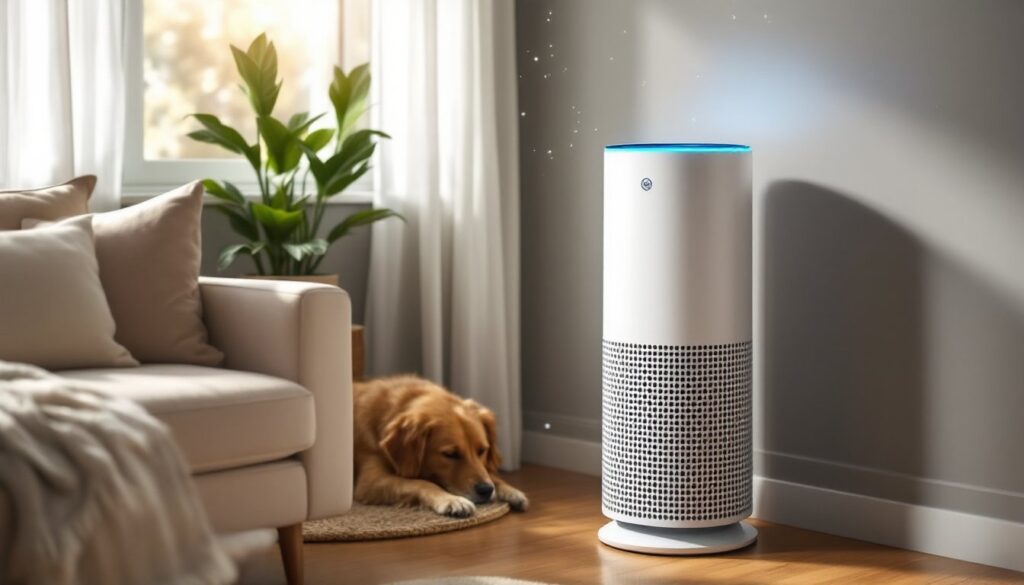
Indoor air quality affects more than comfort, it impacts respiratory health, sleep quality, and even dust buildup on your furniture. If you’re dealing with pet dander, seasonal allergens, or lingering cooking odors, an air purifier can make a measurable difference. Brondell, known primarily for bidet seats and water filtration, has expanded into air purification with a lineup that emphasizes multi-stage filtration and user-friendly design. This guide walks through what sets their units apart, which models suit different spaces, and how to keep them running efficiently.
Table of Contents
ToggleKey Takeaways
- Brondell air purifiers combine True HEPA H13 filtration, activated carbon, and optional UV-C sanitization to capture 99.97% of particles down to 0.3 microns, effectively handling pet dander, allergens, and odors.
- Brondell models deliver 4–5 air changes per hour in properly sized rooms, with CADR ratings between 150–300 CFM and quiet operation (30–40 dB on low), making them suitable for bedrooms, home offices, and open living areas.
- Positioning your Brondell air purifier at least 12 inches from walls and placing it in rooms where you spend the most time ensures unrestricted airflow and maximum effectiveness for particle and odor reduction.
- Regular filter maintenance—vacuuming the washable pre-filter monthly and replacing HEPA and carbon filters every 6–12 months—is essential to prevent saturated filters from releasing captured dust back into your air.
- Brondell air purifiers are ideal for homes with pets or allergy sufferers, with models ranging from 325 to 570 square feet, offering reliable performance at $150–$300 with modest ongoing filter replacement costs.
What Makes Brondell Air Purifiers Stand Out?
Brondell’s air purifiers combine True HEPA filtration with activated carbon and, in some models, a UV-C sanitization stage. The design philosophy leans practical: straightforward controls, tower-style footprints that fit corners and against walls, and filter replacement indicators that actually give you advance notice.
Unlike budget models that cycle air slowly, Brondell units typically deliver 4–5 air changes per hour (ACH) in their rated room size. That’s enough to handle real-world scenarios like a dog shedding undercoat or a kitchen adjacent to the living room. Most models also run quietly on lower speeds, around 30–40 dB, which matters if you’re placing one in a bedroom or home office.
The brand doesn’t reinvent the wheel, but they execute core features reliably. You won’t find flashy app integrations or voice control on most units, but you will get washable pre-filters and filter life that extends 6–12 months depending on usage. For homeowners who want straightforward air cleaning without a steep learning curve, that trade-off works.
Key Features and Technology
True HEPA H13 filters capture 99.97% of particles down to 0.3 microns, including pollen, mold spores, and fine dust. The activated carbon layer targets volatile organic compounds (VOCs) and odors, think paint fumes, pet smells, or smoke. Some Brondell models add a UV-C light chamber that exposes circulating air to ultraviolet radiation, which can neutralize airborne bacteria and viruses. It’s not a replacement for surface disinfection, but it adds a layer of protection during cold and flu season.
Most units offer three to four fan speeds, plus an auto mode that adjusts based on built-in air quality sensors. The sensors detect particulate matter (PM2.5) and adjust the fan accordingly. A color-coded LED ring on the unit gives you a quick visual: blue for clean air, yellow for moderate, red for poor. It’s intuitive enough that you don’t need to check a manual.
Brondell’s tower designs also incorporate 360-degree air intake on many models, pulling air from all sides rather than just the front. This speeds up circulation in open-plan spaces and reduces the “dead zone” effect you sometimes get with single-intake purifiers.
Top Brondell Air Purifier Models for Your Home
Brondell’s lineup includes several models tailored to different room sizes and needs. Here’s a breakdown of the most relevant options for homeowners.
Brondell Pro Sanitizing Air Purifier + Humidifier (P300)
This combo unit handles rooms up to 325 square feet and pairs HEPA filtration with an ultrasonic humidifier. It’s a good fit for bedrooms or home offices where dry winter air compounds respiratory irritation. The humidifier function is adjustable, and the 1.3-gallon water tank runs about 24 hours on low mist. Keep in mind that humidifier maintenance (weekly cleaning to prevent mold) adds to your routine, but the dual function can eliminate the need for a separate device.
Brondell O2+ Balance Air Purifier
Coverage tops out around 400 square feet, making this suitable for large bedrooms or smaller living rooms. It includes the four-stage filtration (pre-filter, HEPA, carbon, UV-C) and auto mode with air quality monitoring. The unit stands about 26 inches tall and weighs roughly 13 pounds, easy to relocate if you’re moving it between rooms seasonally. Consumer testing from Good Housekeeping and similar outlets consistently rate it well for particle reduction.
Brondell Pro Air Purifier
Designed for spaces up to 570 square feet, this is the heavy hitter. It’s ideal for open-plan kitchens and living areas or finished basements. The higher CADR (Clean Air Delivery Rate) means faster cycles, which helps when you’re cooking or have multiple pets. The filter set costs more to replace (around $80–$100 annually), but the coverage justifies it if you’d otherwise need two smaller units.
If your home has central HVAC, note that portable air purifiers complement, but don’t replace, your furnace filter. Portable units provide localized, high-efficiency filtration in the rooms you occupy most, while your HVAC filter handles bulk particulate across the entire home.
Performance and Coverage: What to Expect
CADR ratings give you a quick benchmark for air purifier performance. Brondell models typically post CADR numbers in the range of 150–300 cubic feet per minute (CFM) depending on the model. Higher CADR means faster air cleaning. For reference, a 300 CADR unit can cycle a 300-square-foot room approximately five times per hour, which meets the recommended standard for allergy and asthma relief.
Room size ratings assume an 8-foot ceiling. If you have vaulted ceilings or an open loft, calculate your actual volume (length × width × height) and compare it to the purifier’s CADR to confirm adequate coverage. Running a unit rated for 325 square feet in a 500-square-foot space with 10-foot ceilings will leave you with sluggish air changes.
Noise is measured in decibels (dB). Brondell units range from about 30 dB on low (comparable to a whisper) to 55–60 dB on high (similar to normal conversation). If you’re sensitive to white noise, test the unit on high speed before committing to a bedroom placement. Many users run the unit on auto mode during the day and switch to low or sleep mode at night.
Energy consumption is modest, most models draw 40–60 watts on high, less than a standard incandescent bulb. Running a unit 24/7 typically costs $3–$6 per month depending on your electricity rate. That’s in line with smart home devices like security cameras or connected thermostats.
Expect particle reduction of 80–90% within the first hour of operation in a properly sized room. Odor removal takes longer, carbon filters adsorb molecules gradually, so persistent cooking or pet smells may require a full day of continuous operation to clear.
Installation and Maintenance Tips for Homeowners
Placement matters more than most people realize. Position the unit at least 12 inches away from walls and furniture to ensure unrestricted airflow around the intake vents. Avoid tucking it behind a couch or under a desk, you’ll choke the circulation and reduce effectiveness.
Place purifiers in the room where you spend the most time, or rotate them seasonally. During high pollen months, prioritize the bedroom. In winter, move the unit to the living room where the fireplace or wood stove operates. If you have a two-story home, focus on the floor where bedrooms are located, you’re spending 7–8 hours there every night.
Initial setup is straightforward. Unbox, remove plastic wrap from the filters (many units ship with filters pre-installed but sealed), plug in, and power on. Let the unit run on high for the first 2–3 hours to purge manufacturing odors and cycle the room fully.
Filter maintenance follows a predictable schedule:
- Pre-filter (washable): Vacuum or rinse monthly. Let it air-dry completely before reinstalling, trapped moisture promotes mold.
- HEPA and carbon filters (replaceable): Swap every 6–12 months depending on usage and air quality. Urban environments or homes with pets skew toward the shorter interval. Filter replacement indicators light up about two weeks before the filter hits capacity, giving you time to order replacements.
- UV-C bulb (if equipped): Lasts 10,000–20,000 hours (roughly 1–2 years of continuous use). Replacement is a simple twist-and-pull process, no tools required.
Don’t skip filter changes. A saturated HEPA filter stops trapping particles and begins releasing accumulated dust back into the air. You’ll notice reduced airflow and louder operation as the fan works harder.
Wipe the exterior and sensor area monthly with a dry microfiber cloth. Dust buildup on the air quality sensor can trigger false readings and cause auto mode to cycle erratically.
If your model includes a humidifier, drain and refill the tank every 2–3 days. Clean the tank and ultrasonic plate weekly with white vinegar to prevent mineral deposits and bacterial growth. Use distilled water if your tap water is hard, mineral buildup will clog the mist nozzle and shorten the unit’s lifespan.
Is a Brondell Air Purifier Right for Your Space?
Best use cases for Brondell units include:
- Homes with pets, especially cats and dogs that shed year-round.
- Allergy or asthma sufferers who need consistent particle filtration.
- Rooms adjacent to garages, kitchens, or workshops where odors and VOCs are common.
- Bedrooms where you want quiet operation and improved sleep air quality.
Not ideal for:
- Extremely large open-plan spaces over 600 square feet without multiple units. You’ll need commercial-grade purifiers or whole-home HVAC filtration (MERV 13+ filters in your furnace) for that scale.
- Homes with severe mold issues. Address the moisture source first (dehumidifiers, basement waterproofing, HVAC condensation leaks). Air purifiers can capture airborne spores, but they won’t solve an active mold colony.
- Smokers looking to eliminate tobacco smoke entirely. Carbon filters help, but they saturate quickly with heavy smoke exposure. You’ll replace filters every 2–3 months, which gets expensive.
Compare Brondell to other mid-range brands like Levoit, Coway, or Winix. Brondell holds its own on filtration performance and build quality. Where it lags slightly is smart home integration, competitors offer Wi-Fi app control and voice assistant compatibility, which Brondell largely skips. If you want to control your purifier from your phone or integrate it with Alexa or Google Home, you’ll need to look elsewhere.
Pricing sits in the $150–$300 range depending on the model and sales. Filter replacement costs run $60–$100 per year, which is standard for this class. Reviews on CNET and retailer sites are generally positive, with most complaints centered on filter availability during supply chain disruptions, less of an issue in 2026 but worth checking stock before purchasing.
If you’re renovating or building new, consider where air quality fits into your overall HVAC strategy. Portable purifiers work well for targeted filtration, but upgrading to a whole-home air cleaner integrated into your ductwork provides broader coverage with less maintenance. That’s a discussion for your HVAC contractor during system design or replacement.
Conclusion
Brondell air purifiers deliver reliable, multi-stage filtration without unnecessary complexity. They’re well-suited for homeowners who prioritize straightforward operation, effective particle capture, and reasonable ongoing costs. Match the model to your room size, keep up with filter swaps, and you’ll notice cleaner air and less dust settling on surfaces within days.